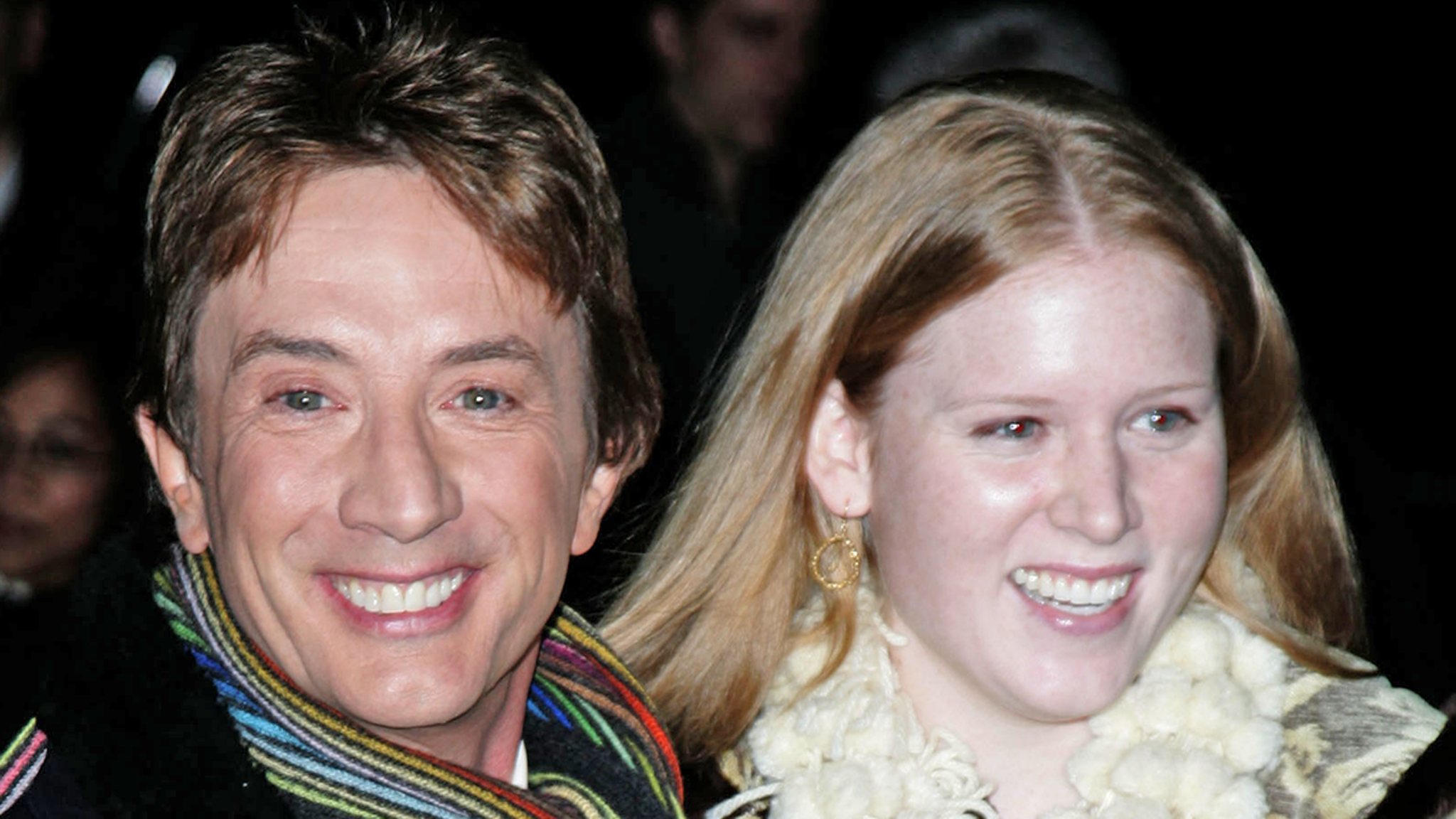
The Tragic Passing of Katherine Short: A Family Devastated
The entertainment world, and indeed the broader public, was struck with profound sadness upon learning of the tragic death of Katherine Short, the beloved daughter of celebrated comedian Martin Short. At just 42 years old, Katherine's passing by apparent suicide has cast a long shadow of grief over the Short family, echoing past heartbreaks and bringing a new wave of sorrow. This devastating news not only highlights the immense personal loss for Martin Short and his sons but also underscores the critical, often silent, battle many individuals face with mental health.
The initial reports confirmed the heartbreaking nature of her death, with law enforcement sources indicating she was found with a self-inflicted gunshot wound at her Hollywood Hills, California, home on a Monday evening. Emergency services, including the LAPD and the Los Angeles Fire Department, responded to a 911 call, confirming the tragic scene. A representative for the "Only Murders in the Building" star issued a statement confirming the passing of Katherine Hartley Short, stating, "It is with profound grief that we confirm the passing of Katherine Hartley Short. The Short family is devastated by this loss, and asks for privacy at this time. Katherine was beloved by all and will be remembered for the light and joy she brought into the world." This statement, imbued with raw sorrow, paints a vivid picture of the family's current struggle, grappling with an unimaginable loss that has left them utterly heartbroken.
Remembering Katherine Short: A Life Dedicated to Helping Others
While Katherine Short was known to many as Martin Short’s daughter, her life was defined by far more than her famous lineage. She forged her own path, dedicating her professional career to the crucial field of social work and mental health. Born on December 3, 1983, Katherine embarked on an impressive academic journey that prepared her to make a tangible difference in the lives of others.
She earned her bachelor’s degree in psychology and gender sexuality studies from New York University in 2006, laying a strong foundation for her future endeavors. Building on this, she went on to achieve her master’s degree in social work from the University of Southern California in 2010. This academic dedication translated into a compassionate career. Katherine worked as a social worker in a private practice and also held a part-time position at the Amae Health clinic, an outreach group focused on providing vital psychotherapy services. Her experience extended to significant roles at UCLA’s Resnick Neuropsychiatric Hospital and the Camden Center, a dual-diagnosis outpatient program. Furthermore, she was reportedly involved with a non-profit organization, demonstrating her broad commitment to community well-being and social betterment.
The tragic irony of a dedicated social worker, someone trained to understand and alleviate the suffering of others, succumbing to her own mental health struggles, is particularly poignant. Her professional life stood as a testament to her empathy and desire to bring light into the lives of those facing their darkest moments. Though she largely preferred to stay out of the public spotlight, Katherine occasionally appeared alongside her father at various events, including the Vanity Fair Oscars Party in 2011, providing glimpses of her supportive presence in his life. Her legacy, as highlighted by her family, will be one of the "light and joy she brought into the world," coupled with a profound commitment to service. For a deeper understanding of her professional contributions, please read
Remembering Katherine Short: Martin Short's Daughter, Dedicated Social Worker.
The Enduring Shadow of Grief: Martin Short's Past Losses
The Short family’s devastation over Katherine’s passing is sadly not their first encounter with profound loss. This recent tragedy reopens wounds from a previous, deeply impactful period in Martin Short's life: the death of his beloved wife, Nancy Dolman, Katherine's mother, in 2010. Nancy, an actress herself, battled ovarian cancer and passed away after 30 years of marriage to Martin. They had met in 1972 while working on a production of *Godspell* and married in 1980. Along with Katherine, they had also adopted two sons, Oliver Patrick, now 39, and Henry Hayter, now 36.
Martin Short reflected on Dolman's passing in a 2011 interview with *The Guardian*, stating, "It’s been a tough two years for my children. This is the thing of life that we live in denial about, that it will ever happen to us or our loved ones, and when it does you gain a little and you suffer a little. There’s no big surprise.” His words, spoken over a decade ago, resonate with heartbreaking prescience today. For the children, including Katherine, the loss of their mother was undoubtedly a monumental challenge. Now, to face the death of a sibling, especially under such tragic circumstances, adds another layer of unimaginable grief to a family that has already endured so much.
The cumulative weight of these losses underscores the immense resilience required to navigate life's most painful trials. The passing of Katherine Short by suicide not only brings back the pain of Nancy Dolman's death but compounds it, creating a particularly complex and deeply sorrowful period for Martin, Oliver, and Henry. The family's request for privacy is entirely understandable as they seek to navigate this fresh wave of sorrow in the wake of such significant, repeated personal tragedies.
Understanding and Addressing the Silent Crisis: Suicide Prevention and Mental Health Awareness
The news of
katherine short suicide serves as a stark and painful reminder of the pervasive and often silent crisis of mental illness and suicide that affects countless individuals and families worldwide. While the specific circumstances leading to Katherine's death remain private, her passing spotlights the urgent need for greater awareness, understanding, and accessible support for mental health struggles.
Recognizing the Warning Signs:
It is crucial for everyone to be aware of the potential warning signs that someone may be contemplating suicide. These can include:
- Talking about wanting to die or to kill oneself.
- Looking for a way to kill oneself, such as searching online for methods or acquiring a weapon.
- Talking about feeling hopeless or having no reason to live.
- Talking about feeling trapped or in unbearable pain.
- Talking about being a burden to others.
- Increasing the use of alcohol or drugs.
- Acting anxious, agitated, or reckless.
- Sleeping too little or too much.
- Withdrawing or isolating themselves.
- Showing rage or talking about seeking revenge.
- Displaying extreme mood swings.
These signs should never be ignored. If you notice any of these behaviors in a loved one, it's vital to act.
Taking Action and Offering Support:
If you suspect someone is struggling, don't hesitate to reach out. Here are actionable steps:
- Listen Actively: Offer a non-judgmental space for them to talk. Let them know you care and are there for them.
- Ask Directly: Don't be afraid to ask, "Are you thinking about suicide?" or "Are you having thoughts of harming yourself?" Asking directly will not put the idea in their head; it can open the door for them to share their pain.
- Seek Professional Help: Encourage them to speak with a mental health professional. Offer to help them find a therapist, psychiatrist, or support group.
- Ensure Safety: If they are in immediate danger, do not leave them alone. Remove any means of self-harm, if possible.
- Utilize Crisis Resources: Provide them with immediate access to helplines and crisis centers. In the U.S., the 988 Suicide & Crisis Lifeline is available 24/7 by calling or texting 988.
- Follow Up: Continue to check in with them, offering ongoing support and encouragement as they navigate their recovery.
Destigmatizing mental health conversations is paramount. By fostering environments where individuals feel safe to express their struggles without fear of judgment, we can encourage more people to seek the help they desperately need. The profound sadness surrounding Katherine Short's death should serve as a powerful catalyst for us all to recommit to mental health advocacy and suicide prevention efforts. For more detailed information on this heartbreaking event, you can read
Katherine Short, Martin Short's Daughter, Dies by Suicide at 42.
The passing of Katherine Short is a profound loss not only for her immediate family but also for the communities she touched through her dedicated social work. Her life, though tragically cut short, was one of compassion and service. As the Martin Short family grapples with this fresh sorrow, we are reminded of the fragility of life and the immense importance of mental health support. May her memory be a catalyst for greater empathy, understanding, and action in the ongoing fight against mental illness and suicide, ensuring that no one suffers in silence.