A Heartbreaking Loss: Katherine Short, Martin Short's Daughter, Dies by Suicide at 42
The entertainment world and beyond is mourning a profound loss with the tragic news of Katherine Short, the beloved daughter of renowned comedian and actor Martin Short, who passed away by suicide at the age of 42. This devastating revelation has sent shockwaves, bringing immense grief to the Short family and drawing critical attention once again to the urgent importance of mental health awareness and suicide prevention.
Confirming the heartbreaking news, a representative for the "Only Murders in the Building" star released a statement: "It is with profound grief that we confirm the passing of Katherine Hartley Short. The Short family is devastated by this loss, and asks for privacy at this time. Katherine was beloved by all and will be remembered for the light and joy she brought into the world." The circumstances surrounding Katherine Short's suicide underscore the complex and often silent battles many face, regardless of their background or public perception.
A Life Dedicated to Healing: Remembering Katherine Short's Professional Legacy
Katherine Short, though largely out of the public spotlight, led a life marked by a deep commitment to helping others. Her professional path was a testament to her compassion and dedication to mental well-being. She was a highly educated and skilled social worker, a profession that requires immense empathy, resilience, and a profound understanding of the human condition.
Her academic journey laid a strong foundation for her career. Katherine graduated from New York University in 2006 with a bachelor’s degree in psychology and gender sexuality studies. She then furthered her expertise, earning a master’s degree in social work from the University of Southern California in 2010. These academic pursuits equipped her with the knowledge and tools to make a tangible difference in people's lives.
Throughout her career, Katherine worked in various capacities, directly engaging with individuals facing mental health challenges. She maintained a private practice, providing psychotherapy and support to her clients. Additionally, she was associated with Amae Health, an outreach group focused on mental health, and had experience at UCLA’s Resnick Neuropsychiatric Hospital and the Camden Center, a dual-diagnosis outpatient program. Her work often involved addressing complex issues, including mental health disorders and addiction, highlighting her unwavering commitment to those in need. For a deeper look into her professional life, you can read more in Remembering Katherine Short: Martin Short's Daughter, Dedicated Social Worker.
Her dedication to helping others through her work as a social worker makes her own struggle with mental health particularly poignant, serving as a stark reminder that mental health issues can affect anyone, regardless of their understanding or efforts to help others.
The Devastating Impact on the Short Family
The Short family is no stranger to profound loss. Katherine was the adopted daughter of Martin Short and his late wife, Nancy Dolman. Nancy, an accomplished actress herself, passed away in 2010 after a courageous battle with ovarian cancer. Martin and Nancy, who were married for 30 years, also adopted two sons, Oliver Patrick, 39, and Henry Hayter, 36. Katherine’s passing marks another incredibly painful chapter for the family, coming just over a decade after the loss of their matriarch.
Martin Short has openly spoken about the grief and challenges his family faced after Nancy's death. In a past interview, he reflected, “It’s been a tough two years for my children. This is the thing of life that we live in denial about, that it will ever happen to us or our loved ones, and when it does you gain a little and you suffer a little. There’s no big surprise.” The family's statement following Katherine's death, emphasizing their devastation and request for privacy, echoes the immense sorrow they are currently enduring. The bond between parents and children, and between siblings, is foundational, and the loss of a child or sister leaves an indelible void. For further details on the family's response, refer to Martin Short Family Devastated by Daughter Katherine Short's Passing.
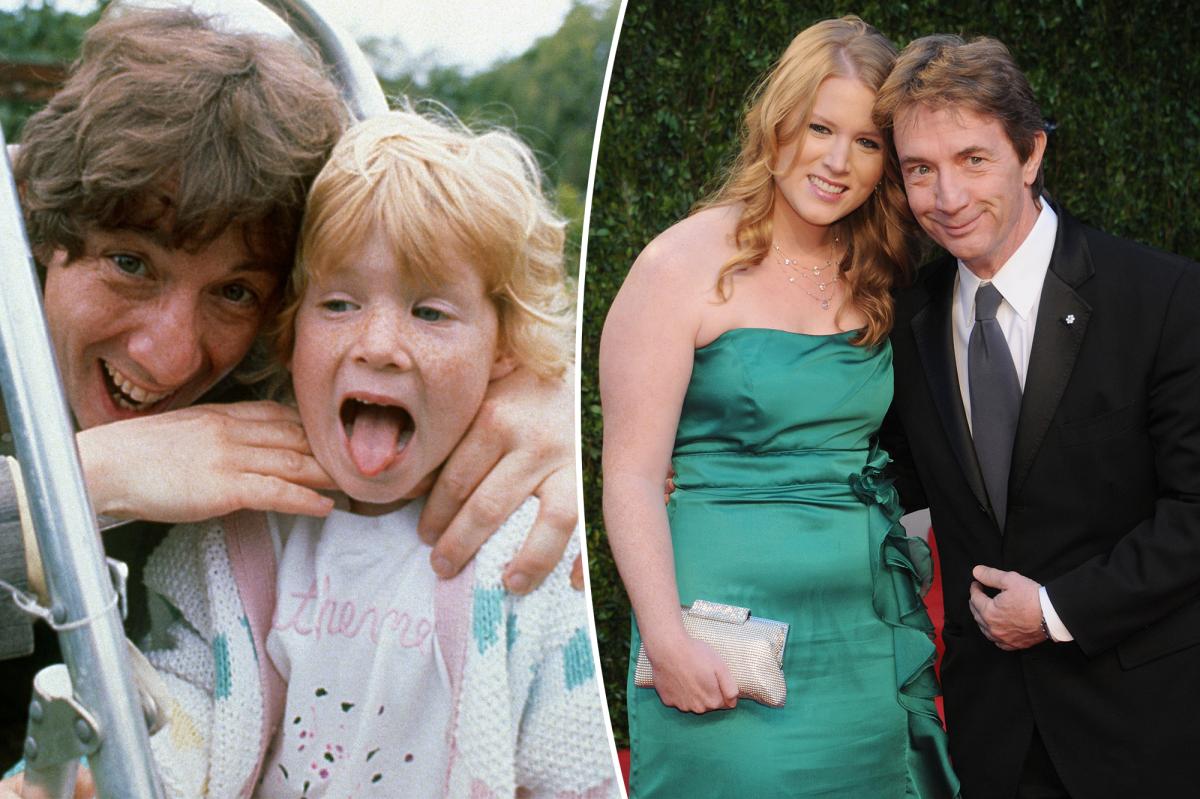
The family had been through significant life events together, including public appearances. Katherine mostly preferred to stay out of the limelight but had accompanied her father to events such as the Vanity Fair Oscars Party in 2011, showcasing the loving relationship they shared. The private nature of their grief, now brought into public view, highlights the universal experience of familial bonds and the shattering impact of such a loss.
Circumstances of Her Passing and the Call for Privacy
Details surrounding Katherine Short's passing have emerged from law enforcement sources, painting a tragic picture. She was reportedly found deceased at her Hollywood Hills, California, home on Monday evening, around 6 p.m. local time, with an apparent self-inflicted gunshot wound. The Los Angeles Police Department (LAPD) and the Los Angeles Fire Department (LAFD) responded to a 911 call reporting a shooting at the address. While it remains unclear who made the initial call, responders confirmed the death of a female at the scene.
In the wake of this profound tragedy, the Short family has rightfully requested privacy to grieve and process their immense loss. This call for discretion is a common and understandable plea from families facing such an intimate and painful event, allowing them space away from public scrutiny to heal.
Understanding Suicide and Fostering Mental Health Awareness
The tragedy of Katherine Short's suicide serves as a heartbreaking reminder of the pervasive and often hidden struggles with mental health that affect countless individuals and families worldwide. Suicide is a complex public health issue with no single cause, often stemming from a confluence of factors including mental health conditions, chronic pain, trauma, financial difficulties, and social isolation.
Recognizing Warning Signs and Offering Support
It is crucial for everyone to understand the warning signs of suicide and how to offer support. While not exhaustive, some common indicators include:
- Talking about wanting to die or to kill oneself: This should always be taken seriously.
- Looking for a way to kill oneself: Such as searching online or acquiring means.
- Feeling hopeless or having no reason to live: Expressing profound despair.
- Feeling trapped or in unbearable pain: Describing an inescapable sense of suffering.
- Increasing alcohol or drug use: As a coping mechanism.
- Withdrawing from activities or isolating oneself: Pulling away from social connections.
- Sleeping too much or too little: Significant changes in sleep patterns.
- Showing rage or talking about seeking revenge: Intense emotional outbursts.
- Displaying extreme mood swings: Rapid shifts in emotional state.
If you observe these signs in someone you know, it's vital to act. Here’s how you can help:
- Listen without judgment: Offer a safe space for them to talk.
- Express your concern: Let them know you care and are worried.
- Ask directly: If you are concerned, ask, "Are you thinking about suicide?" This can open a conversation and show you take them seriously.
- Encourage professional help: Offer to help them find a therapist, doctor, or support group.
- Remove lethal means: If possible and safe, help remove access to firearms, medications, or other potential means of self-harm.
- Follow up: Stay in touch and check in with them regularly.
Breaking the Stigma and Seeking Help
The stigma surrounding mental illness often prevents individuals from seeking the help they desperately need. Katherine Short's own profession highlights this paradox: even those dedicated to mental health can struggle internally. It is essential to normalize conversations about mental health, treating it with the same seriousness as physical health.
There are numerous resources available for those struggling with suicidal thoughts or mental health challenges:
- National Suicide Prevention Lifeline: Call or text 988 in the U.S. and Canada, or dial 111 in the UK. This service is free, confidential, and available 24/7.
- Crisis Text Line: Text HOME to 741741 to connect with a crisis counselor.
- Mental health professionals: Therapists, psychologists, and psychiatrists can provide tailored treatment plans.
- Support groups: Connecting with others who share similar experiences can provide comfort and understanding.
Navigating Grief After Loss by Suicide
Grieving a loved one who has died by suicide is an incredibly complex and often agonizing process. Survivors of suicide loss frequently experience a unique blend of emotions, including shock, confusion, guilt, anger, and profound sadness. The unanswered questions and the nature of the death can complicate the grieving journey, making it vital for survivors to seek support for themselves.
For those mourning such a loss, it is important to:
- Allow yourself to feel: There is no right or wrong way to grieve.
- Seek professional support: Therapists specializing in grief or suicide loss can provide invaluable guidance.
- Connect with other survivors: Support groups for suicide loss survivors offer a space for shared understanding and healing.
- Practice self-compassion: Be kind to yourself and recognize that healing takes time.
Conclusion
The passing of Katherine Short by suicide at 42 is a profound tragedy that touches the hearts of many, extending far beyond the immediate circle of the Short family. It is a somber reminder of the silent battles many individuals fight and the critical importance of fostering a society where mental health is prioritized, understood, and openly discussed.
As we extend our deepest condolences to Martin Short and his family during this unimaginably difficult time, we are also called to reflect on the broader implications of this loss. Let us use this moment to reinforce our commitment to mental health awareness, dismantle stigma, and ensure that those in despair know there are always resources and compassionate individuals ready to help. Every life is precious, and every struggle deserves to be met with empathy, support, and hope.